30 Oct 2026
לוח MDF צבעוני: כיצד לבחור את המשטח המתאים ליישומי פנים
למידע נוסף >


The quality of a color MDF board is determined by more than its final color. Substrate preparation, fiber distribution, adhesive performance, hot pressing, surface treatment, and finishing control all contribute to the finished panel's appearance and functional properties. For manufacturers serving furniture, cabinetry, and interior decoration markets, a stable production process is essential for maintaining consistent quality across different orders and production batches.
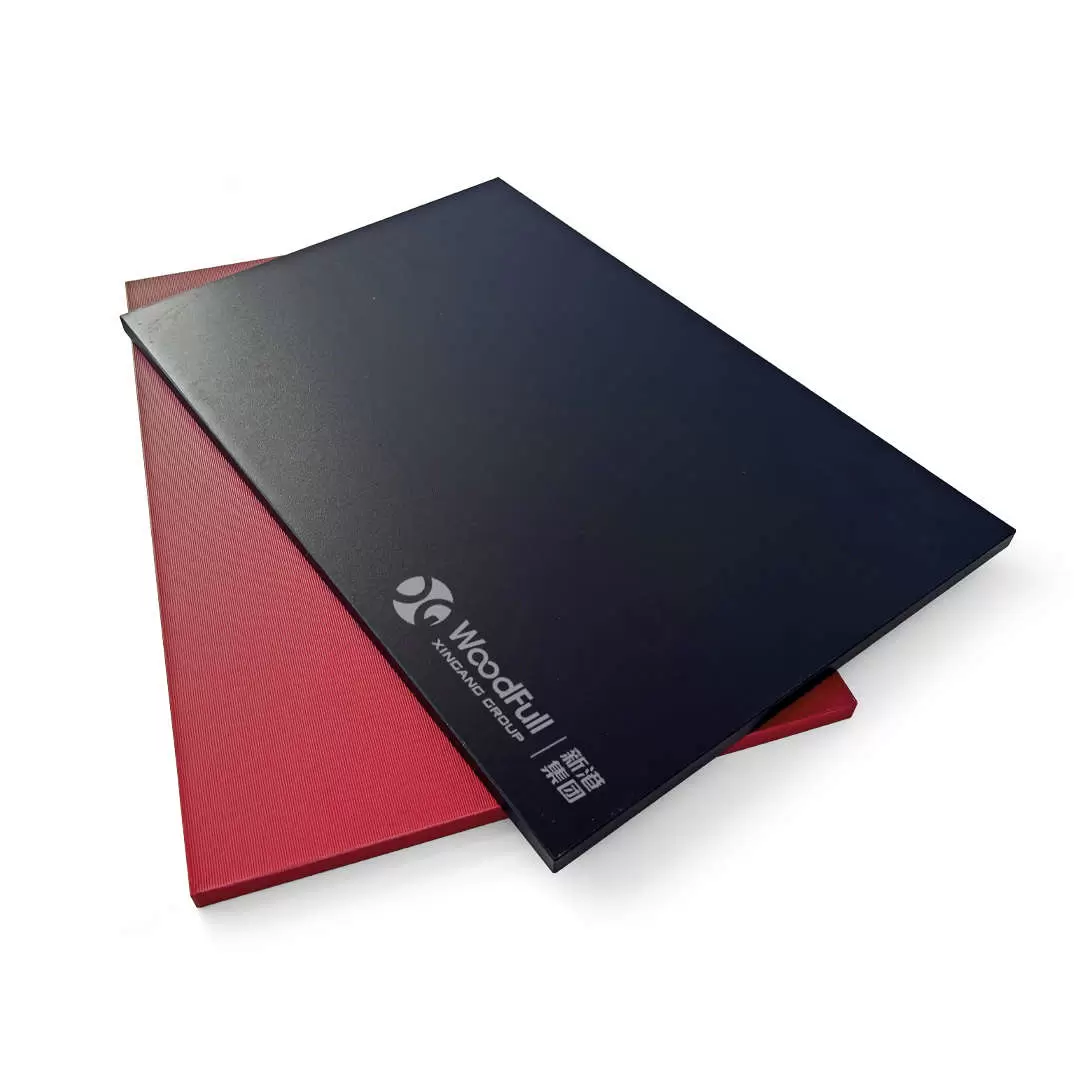
Understanding how color MDF board is manufactured helps buyers evaluate suppliers more effectively. It also provides a clearer basis for identifying potential quality risks before panels enter downstream cutting, drilling, lamination, or furniture assembly operations.
MDF production begins with wood fiber preparation. The quality and consistency of the fibers influence the internal structure of the finished panel. Fiber dimensions, moisture content, and distribution must be controlled to support uniform board formation.
After fiber preparation, adhesive is introduced to bind the fibers together. The adhesive system influences internal bonding, dimensional stability, and emissions performance. Its compatibility with the manufacturing process is particularly important because variations in adhesive distribution can lead to inconsistent panel properties.
The forming process then distributes the treated fibers into a mat with the required weight and dimensions. Uniform mat formation is important for controlling density distribution and final thickness. Uneven fiber distribution may contribute to differences in mechanical performance across the panel.
For color MDF board production, a stable substrate provides the foundation for subsequent surface processing. Even a visually attractive finish cannot fully compensate for poor internal bonding or inconsistent board structure.
Hot pressing consolidates the fiber mat into a rigid panel under controlled temperature and pressure. During this stage, heat activates the adhesive system, while pressure establishes the required board thickness and density.
The pressing parameters must be matched to fiber characteristics, adhesive formulation, panel thickness, and production speed. Excessive or insufficient processing can affect internal bonding, surface quality, and dimensional stability.
Density is another important production variable. The overall density of an MDF panel affects its weight, stiffness, machining behavior, and fastener performance. However, the density profile through the board thickness is also relevant. A uniform and appropriate density structure supports more predictable cutting and surface treatment.
After pressing, panels generally undergo conditioning and further processing to stabilize their properties and prepare them for finishing. Sanding may be used to improve surface flatness and create a consistent foundation for decorative treatment.
The decorative process determines the visible appearance of color MDF board. Depending on the product construction, the color may be achieved through surface coating, decorative facing, or other specialized finishing methods.
Each approach has different requirements.
A coated surface requires appropriate preparation, coating compatibility, and controlled application conditions. Film thickness, curing conditions, and surface cleanliness can affect gloss, adhesion, and visual consistency.
A decorative facing requires reliable bonding between the facing material and the MDF substrate. Adhesive compatibility, pressing conditions, and surface preparation influence whether the finished surface remains stable during storage, machining, and use.
Color control is especially important in large-volume production. Pigment formulation, coating conditions, material batches, and curing processes can all contribute to color variation. Manufacturers should establish reference samples and inspection procedures to maintain consistency.
The selected finish should also reflect the intended application. A matte surface, for example, has different visual and maintenance characteristics from a high-gloss finish. Surface hardness, scratch resistance, stain resistance, and cleaning compatibility should be assessed according to the final environment.
A color MDF board may look acceptable at a distance but still contain defects that become visible during furniture production or installation. Common issues include scratches, bubbles, pinholes, uneven gloss, color variation, edge damage, and surface contamination.
These defects can originate at different stages. Substrate irregularities may affect coating uniformity, while dust or contamination can interfere with surface adhesion. Improper handling and packaging may also cause scratches after production.
מערכת בדיקה מעשית צריכה לכלול בדיקות חזותיות תחת תאורה מבוקרת, מדידות ממדים, עקביות עובי, מראה פני השטח ובדיקות הדבקה רלוונטיות. כאשר המוצר דורש מאפייני עמידות ספציפיים, יש לבצע בדיקות נוספות בהתאם ליישום המיועד.
בדיקה מכנית של מצע ה-MDF עשויה לכלול חוזק קשר פנימי, תכונות כיפוף וביצועי נסיגת בורג. עבור יישומים רגישים ללחות, נפיחות עובי ובדיקות ספיגת מים עשויות להיות רלוונטיות גם כן.
יש לבחור בדיקות משטח בהתאם לגימור ולדרישות השוק. בדיקות שחיקה, שריטות, כתמים והידבקות יכולות לספק מידע שימושי, אך יש להסכים על שיטת הבדיקה וקריטריוני הקבלה הרלוונטיים לפני הייצור.
טכנולוגיית הדבק משפיעה הן על הביצועים המבניים והן על הפרופיל הסביבתי של לוחות מבוססי עץ. הניסוח, שיטת היישום, התנהגות הריפוי והתאימות לחומרי סיבים כולם משפיעים על יציבות הייצור.
Shandong Xingang Group Co., Ltd פיתחה דבק ביומימטי של Xingang, אשר החברה מתארת כמכיל אפס פורמלדהיד, אפס בנזן ואפס חומרים מזיקים. הדבק יושם בהצלחה בקנה מידה בלוחות דקורטיביים ביומימטיים של Xingang, MDF דק במיוחד ודיקט ימי ביומימטי.
פיתוח זה משקף את ההתמקדות של החברה בחומרים מבוססי עץ מוכווני סביבה. עם זאת, עבור ייצור לוחות MDF צבעוניים, יש להעריך את התאמתו של דבק מסוים ביחס למצע בפועל, לתהליך הדקורטיבי ולביצועי המוצר המוגמר הנדרשים.
תביעות סביבתיות צריכות להיות נתמכות גם בתיעוד ספציפי למוצר. על הקונים לבקש דוחות בדיקת פליטות רלוונטיים ולוודא האם המוצר הנבדק מתאים למבנה הפאנל המדויק הנרכש.
ערכו של לוח MDF צבעוני מתברר כאשר הוא נכנס לייצור במורד הזרם. קל יותר לעבד לוח עם עובי וצפיפות עקביים באמצעות ניתוב CNC, קידוח, עיבוד קצה והרכבת רהיטים.
עמידות פני השטח חשובה לא פחות. אם גימור דקורטיבי נשרט בקלות או מודבק בצורה גרועה, עלול להיווצר נזק במהלך חיתוך, אריזה, הובלה או התקנה. סרטי מגן ונהלי טיפול מתאימים יכולים לסייע בהפחתת סיכונים אלו.
עבור פרויקטי ריהוט מותאמים אישית, ייצור מדגם הוא דרך יעילה להעריך את התהליך המלא. ניתן לחתוך לוח ניסיון, לקדוח, לגמור קצה, להרכיב ולבדוק לפני שחרור הזמנה גדולה יותר.
A dependable supplier should be able to explain the panel structure, production process, quality inspection methods, and product-specific technical specifications. Buyers should confirm the available dimensions, thickness range, color options, finish types, production tolerances, and packaging standards.
It is also important to understand how the manufacturer controls batch consistency. Approved samples, production records, inspection reports, and clear acceptance criteria can reduce disputes when orders are delivered over multiple shipments.
Color MDF board manufacturing requires coordinated control of substrate formation, adhesive performance, pressing, decorative treatment, and final inspection. When these stages are managed as one integrated process, the resulting panels are better positioned to meet the appearance and processing requirements of modern furniture and interior applications.